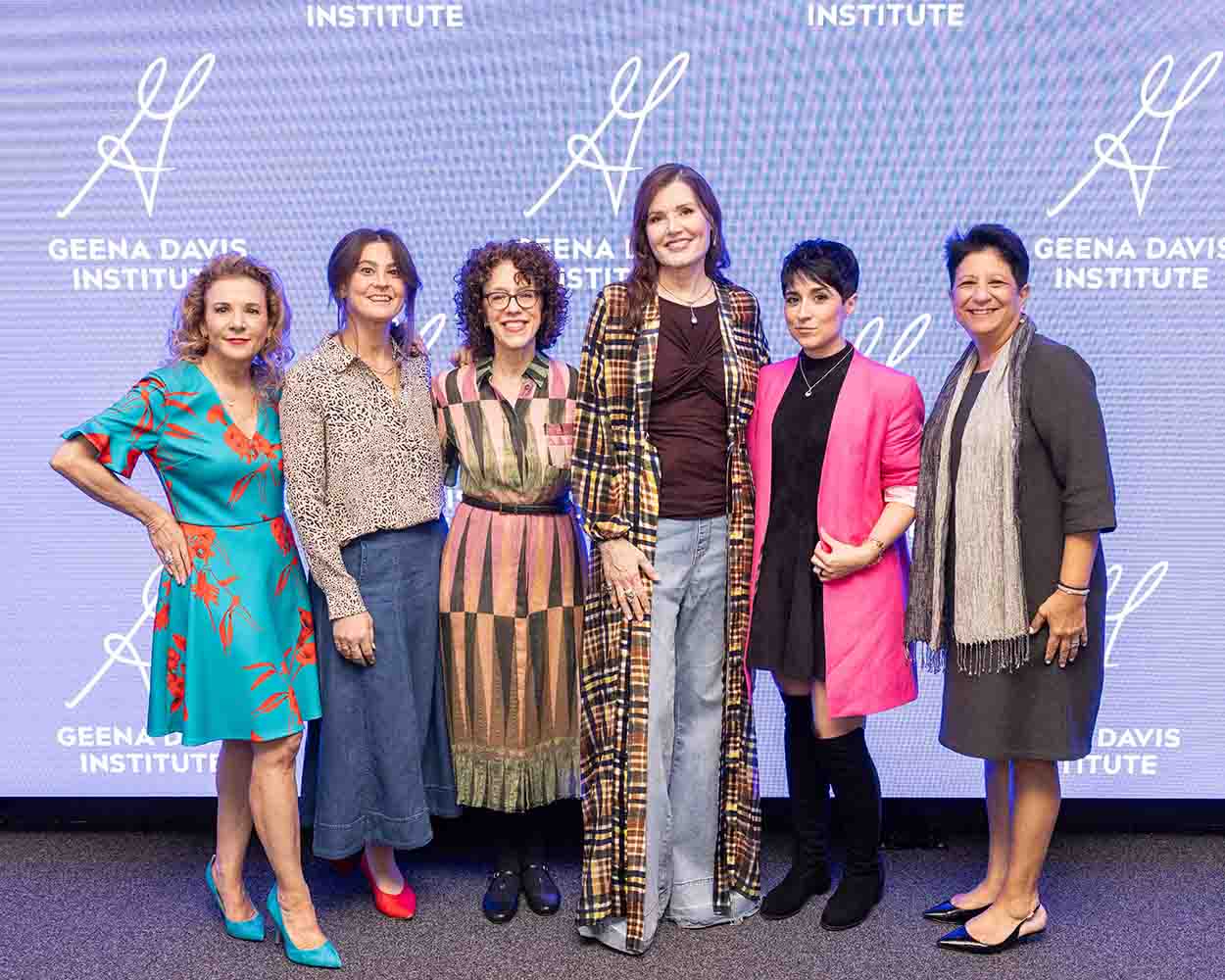
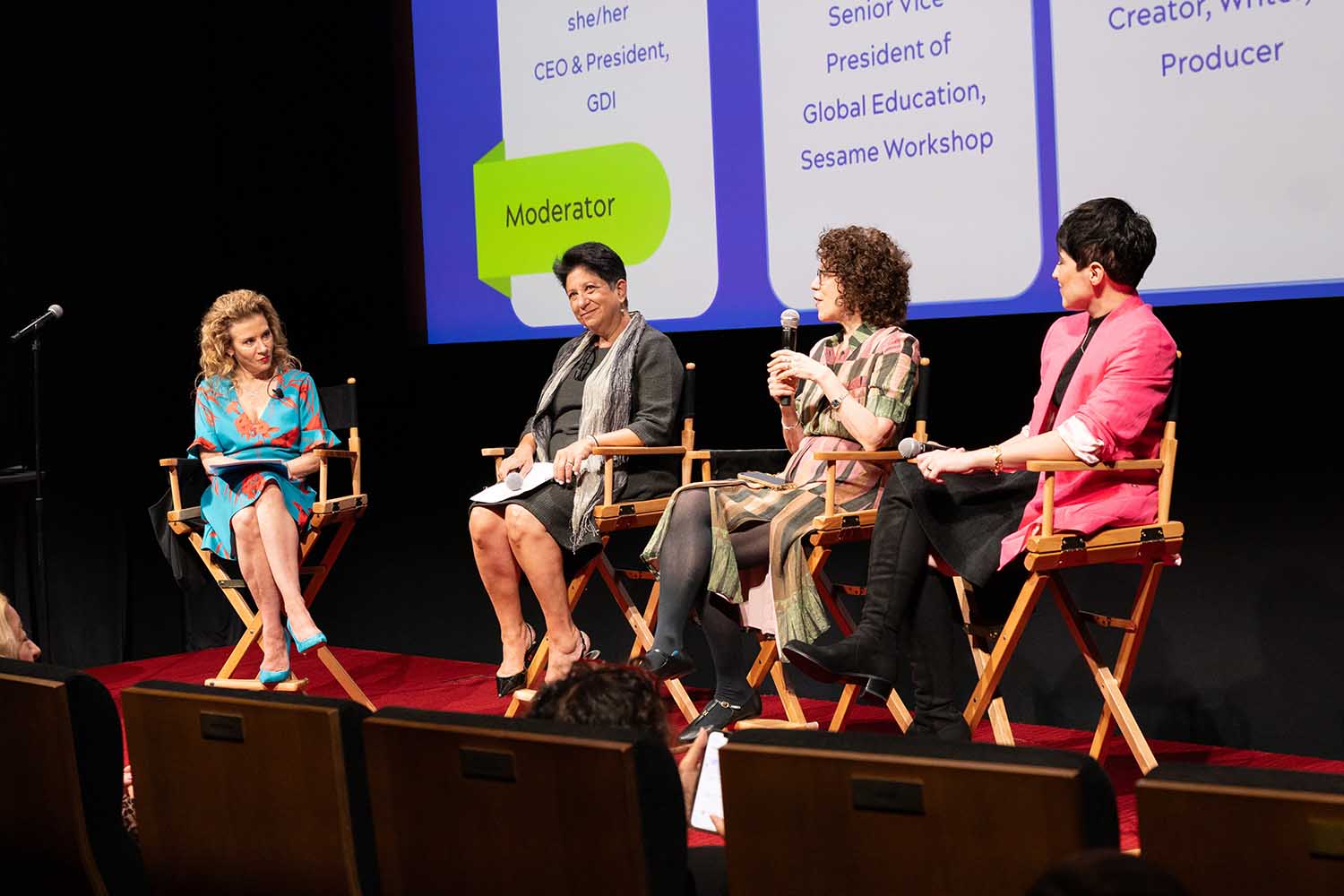
On September 8, 2025, the Geena Davis Institute hosted the launch of its State of Representation in Children’s TV Report: 2025 at the SAG-AFTRA Foundation in New York City. The event unveiled groundbreaking findings on representation across gender, race, LGBTQIA+ identity, disability, age, and body size in children’s television programming from 2018 to 2024. With the guiding principle “If they can see it, they can be it”, the evening emphasized how inclusive media shapes young viewers’ ambitions, validates their identities, and inspires empathy—while also driving stronger audience engagement.
Speakers and Panelists
Event Highlights
- Opening Remarks: Geena Davis shared personal reflections on the Institute’s mission and the enduring need for inclusive children’s media.
- Research Presentation: Meredith Conroy presented the 2025 report’s findings, spotlighting trends and persistent gaps in representation across children’s TV.
- Panel Conversation: Moderated by Madeline Di Nonno, the panel featured leaders in acting, education, and content creation who explored evolving storytelling formats, the role of authentic characters, and strategies to engage young audiences across platforms.
- Interactive Media Clips: Exclusive previews included scenes from Star Trek: Strange New Worlds, the new PBS series Weather Hunters, and Sesame Workshop content, underscoring the power of authentic, emotionally resonant storytelling.
- Networking Reception: Guests continued the conversation at Vida Verde, fostering collaborations among creators, advocates, and industry professionals.
Key Takeaways
- Representation matters deeply: Children’s television has made progress, but significant gaps remain in fully reflecting today’s diverse audiences.
- Authenticity resonates: Characters who break stereotypes, like Melissa Navia’s Lt. Ortegas, connect powerfully with young viewers and fan communities.
- Legacy brands can evolve: Sesame Street demonstrates how a long-running franchise can adapt to modern audiences while staying true to its educational DNA.
- New voices face barriers: Bringing fresh children’s shows to market remains challenging, requiring persistence, creativity, and adaptability to shifting audience habits.
- Cross-platform storytelling is essential: From YouTube to TikTok, kids’ media must meet audiences where they are without sacrificing quality or curriculum-driven content.
Actionable Insights
- For Content Creators: Prioritize authentic representation and emotional well-being in children’s media—both resonate strongly with audiences.
- For Networks & Platforms: Invest in diverse storytelling across platforms to capture young viewers’ attention while reflecting their lived experiences.
- For Educators & Advocates: Leverage inclusive media as a tool to foster empathy, self-confidence, and aspirational thinking among children.
- For Industry Leaders: Use research-driven data to challenge stereotypes and drive systemic change in content development and casting.